Every Seat Matters: Crew Roles in Dear Passengers: Travel Crew

Dear Passengers: Travel Crew is built around lively, hands-on crew roles rather than a solitary pilot fantasy. Whether you are steering through turbulence or scooping up loose luggage in the aisle, each role layers into a shared comedy of physics, timing, and teamwork.

This Skycrewtrip page is an independent review breakdown, not an official InfiniteArc Studios or Google Play property. All download links send you directly to the official Google Play listing only.

Crew Roles Overview

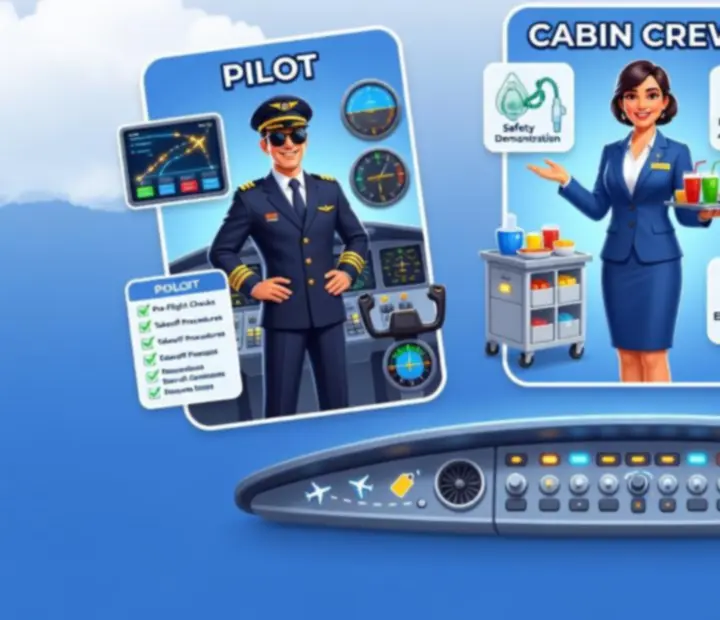
Dear Passengers: Travel Crew lets players occupy distinct crew positions that all feel busy, reactive, and surprisingly improvisational. Instead of a passive ride, you repeatedly step into tiny crises – from wobbling drink carts to last-second course corrections – using your chosen role as a lens on the chaos.

Life as the Pilot

The pilot role places you in the cockpit with a dashboard of responsive controls and readouts. Rather than a study-level flight simulator, the experience focuses on quick, readable inputs that react dramatically to the game’s physics and weather. You keep an eye on trajectory, altitude, and the feeling of the aircraft as turbulence, sudden bumps, or emergency prompts hit.

Moment to moment, you are coordinating with cabin crew about when it is safe to move, when to brace, and whether pushing ahead is worth the risk of more midair chaos. A smooth approach gives your teammates breathing room to serve passengers, while aggressive manoeuvres can send drinks, bags, and nerves flying – sometimes intentionally for the laughs.

Good pilots in Dear Passengers: Travel Crew communicate constantly, call out incoming rough patches, and are willing to adapt when the rest of the crew is overwhelmed. Handled well, the cockpit becomes a stabilizing anchor for the entire team rather than just a separate mini‑game.
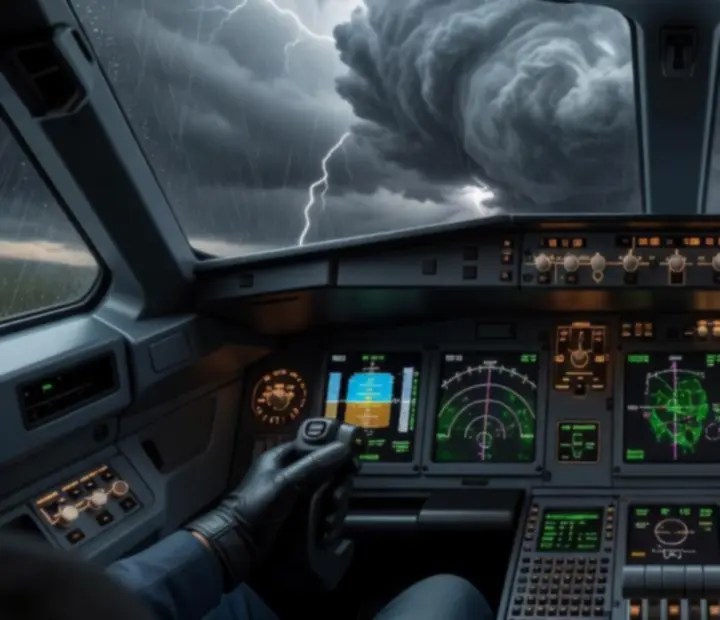
Pilot view of the cockpit in Dear Passengers: Travel Crew with instruments and controls during an active flight.
  • Navigate changing skies and turbulence with quick directional control.
  • Time smooth segments so cabin crew can move safely in the aisle.
  • Respond to emergencies with clear, concise calls to the crew.
  • Balance calm flying with entertaining risk when the team is ready.
Dynamic Teamwork in Flight

Each role is fun on its own, but Dear Passengers: Travel Crew really takes off when everyone treats the flight as a shared, moving puzzle. The game’s physics ensure that no plan survives first contact with turbulence, so flexible teamwork matters more than rigid checklists.

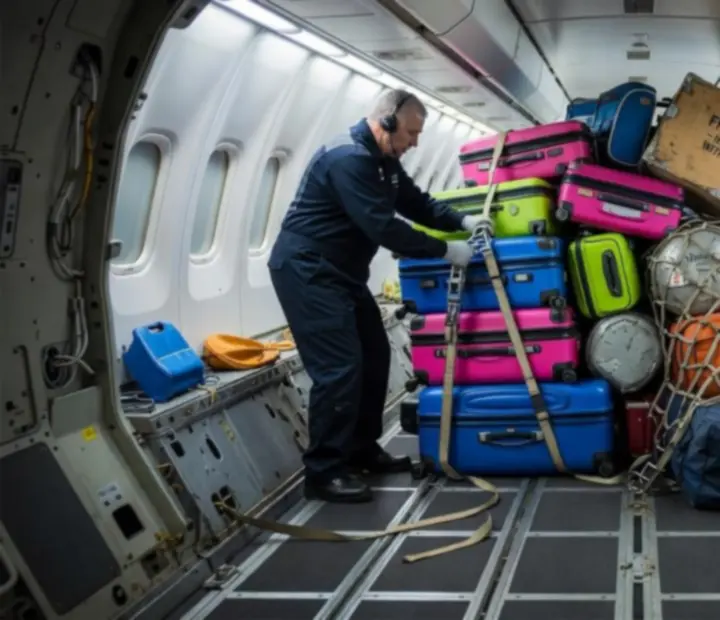
Crew members coordinating during a chaotic flight scene in Dear Passengers: Travel Crew.

Dynamic Teamwork in Flight

Flights often pivot from calm to frantic in seconds. A small bump can send carts rolling, cargo shifting, and passengers reacting all at once. When that happens, success hinges on quick, clear calls between roles: the pilot announcing rough air, cabin crew signalling where help is needed, and someone claiming responsibility for runaway items.

Because roles are not isolated mini‑games, you are constantly aware of what your teammates are attempting. Swapping responsibilities mid‑flight – such as one crew member dashing to secure a stubborn hatch while another covers passenger requests – is part of the intended rhythm, not a sign of failure.

  • Share information early: warnings about incoming bumps give everyone a chance to prepare.
  • Agree on simple callouts so you can react quickly under pressure.
  • Rotate who handles stressful tasks so no one is overloaded for a full flight.
  • Laugh off mishaps; the humour is a built‑in pressure release valve.

Physics at Play in Every Role

Dear Passengers: Travel Crew wraps each crew role around playful, sometimes mischievous physics. Instead of abstract progress bars quietly counting down, you see consequences sliding, bouncing, and splashing across the cabin and cockpit.

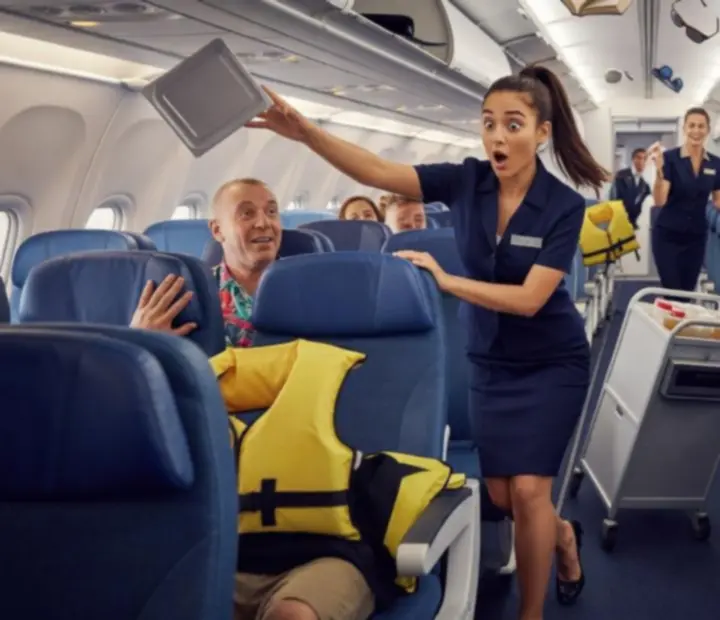
A small misjudged turn might slosh coffee across a tray, loosen a bag, and start a domino effect of distractions. For the pilot, that means reading the room and adjusting flight behaviour. For cabin roles, it means racing to contain the aftermath without neglecting safety tasks. Even simple switches and doors can become focal points when the aircraft lurches at the wrong moment.

Importantly, the physics are tuned to be entertaining rather than punishing. You are encouraged to experiment, learn the quirks of moving objects, and accept that some flights will devolve into spectacular, laugh‑filled chaos.

Everyday examples of physics‑driven moments

  • Spilled drinks creeping towards passengers while you decide who can reach them in time.
  • Sliding trays that threaten to collide with someone already juggling tasks.
  • Doors and hatches that are simple to operate until the plane jolts at exactly the wrong second.
  • Loose luggage that turns a calm aisle into a moving obstacle course.

Solo Play and Role Strategy

Solo Play Considerations

While Dear Passengers: Travel Crew is clearly designed around cooperative play, it is possible to tackle flights on your own. Solo sessions compress multiple responsibilities into a single viewpoint, turning the game into a fast‑paced challenge of prioritization and quick decision‑making.

You will rarely be able to address everything perfectly. Instead, you are choosing which fires to put out and which inconveniences you are willing to let slide. That trade‑off can be rewarding if you enjoy plate‑spinning gameplay, but it is naturally more demanding than splitting duties among friends.

If you are approaching the game primarily as a solo player, expect overlapping crew duties and a greater focus on efficient routing, quick reads of passenger mood, and keeping a mental map of where potential hazards are waiting.

How Role Selection Shapes Strategy

Before departure, discussing who will cover which areas can reshape your entire flight. A crew that leans heavily into cabin roles may excel at calming passengers but feel stretched in the cockpit when conditions worsen. A more pilot‑focused lineup might keep the plane steady but struggle when multiple passengers and cargo items demand attention at once.

Thinking of roles as complementary tools helps: one player specializes in reading the skies, another in monitoring passenger mood, and another in keeping an eye on high‑risk cargo. You can still swap responsibilities midflight, but having clear primary owners keeps reactions snappy.

  • Match roles to player strengths: calm communicators thrive in the cabin, quick planners suit the cockpit and cargo.
  • Decide in advance who makes final calls during emergencies to avoid hesitation.
  • Agree on a light plan for smooth phases versus turbulent phases of the flight.
  • Revisit your lineup between flights based on what actually went wrong or surprisingly well.

Role-Specific Controls and Accessibility

Across roles, Dear Passengers: Travel Crew leans on streamlined, dashboard‑like interfaces rather than dense technical panels. The aim is to get you acting and reacting quickly, even if you do not have a background in aviation or simulation games.

Pilot controls focus on directional input, timing, and awareness of broad flight conditions. Cabin and cargo interactions prioritize clear prompts and responsive movement so that picking up items, securing objects, or talking to passengers feels quick instead of fiddly.

This design makes it easy to bring in friends who might otherwise be intimidated by traditional flight sims. Once everyone is comfortable with the basics, the challenge comes from coordination and timing rather than remembering complex button combinations.

Tips to Master Every Crew Role

  • Share a quick briefing: agree on rough responsibilities before the flight leaves the gate.
  • Use simple, repeatable callouts ("brace", "loose bag", "aisle blocked") to keep reactions fast.
  • Anticipate turbulence by securing anything that might slide or spill before it actually happens.
  • Keep an eye on each other’s workload; swap tasks or jump in when a teammate is overwhelmed.
  • Lean into humour when things go wrong – treating chaos as part of the fun keeps the mood light.
  • After each flight, talk through what went well for each role and adjust your lineup for the next run.
Check Dear Passengers on Google Play

External link to the official Google Play listing. Skycrewtrip is an independent review site.