
Cargo Focus

Cargo Experience in Dear Passengers: Travel Crew

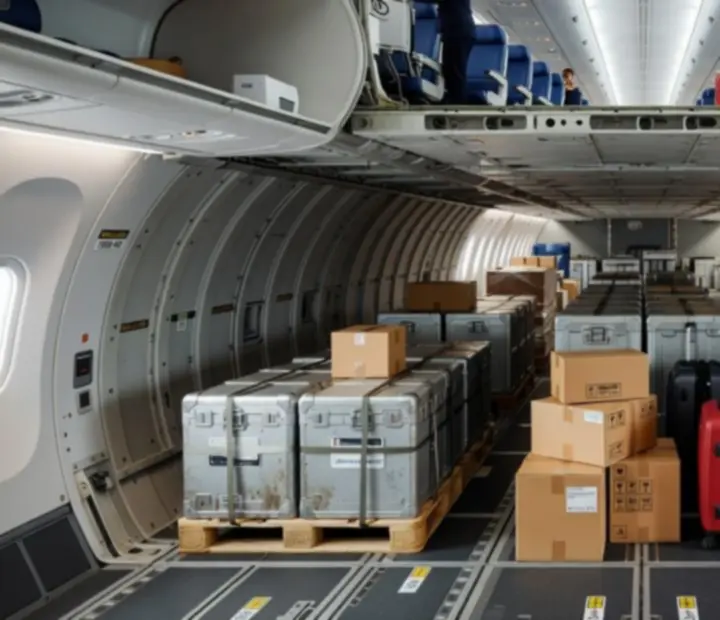
Welcome to the Cargo Experience – board the unique world of Dear Passengers: Travel Crew cargo management, where every suitcase, crate, and oversized item has an impact. This guide explores how handling cargo is central to your flight crew adventure and why the baggage hold is often where the funniest chaos begins.

Skycrewtrip is an independent review site and is not affiliated with InfiniteArc Studios or Google Play. For official information or to install the game, use the Google Play link below.

Understanding Cargo Mechanics

Understanding Cargo Mechanics – in Dear Passengers: Travel Crew, cargo is not just decoration. Every bag and box is governed by entertaining physics, constantly testing your organizational skills and sense of balance. As conditions change in the air, the layout you built on the ground is repeatedly put to the test.

Each flight treats the cargo area like a living puzzle: items can slide, bump, and tumble as the aircraft moves. The challenge is not about memorizing a perfect pattern, but about planning a layout that can survive bumps, tilts, and sudden changes while your team is juggling their other responsibilities.

Because the game leans into cooperation and improvisation, cargo management fits naturally into the broader crew experience rather than feeling like a detached mini-game. Good cargo habits make the rest of the flight smoother; sloppy habits create the kind of chaotic stories that you end up laughing about afterward.
Cargo Types and Their In-Flight Effects

Cargo Types and Their Effects – from standard passenger luggage to last-minute freight, each item added to the plane introduces risk-versus-reward choices and can alter the dynamics of your journey.

Passenger Luggage

Carry-ons and checked bags are the backbone of most flights. They might seem harmless, but loosely placed suitcases can still slide around when turbulence hits. Stacking them sensibly near the start of the flight can prevent a messy scramble later.

Standard Freight

Standard freight crates tend to be heavier and bulkier than regular bags. They often promise better rewards when handled well, but they also demand more careful placement so that a single shifting crate does not knock other items loose.

Odd-Shaped & Oversized Items

Some flights present unusual shapes that do not fit into neat stacks. These awkward items encourage creative placement, wedging, and teamwork – especially when space in the cabin or cargo area is already tight.

Rushed, Last-Minute Additions

Accepting late cargo just before departure can feel tempting if it comes with bonuses. The trade-off is less time to organize and secure everything, increasing the chance that the next bump in the air will turn the aisle into an obstacle course.

Loading and Securing: A Delicate Dance

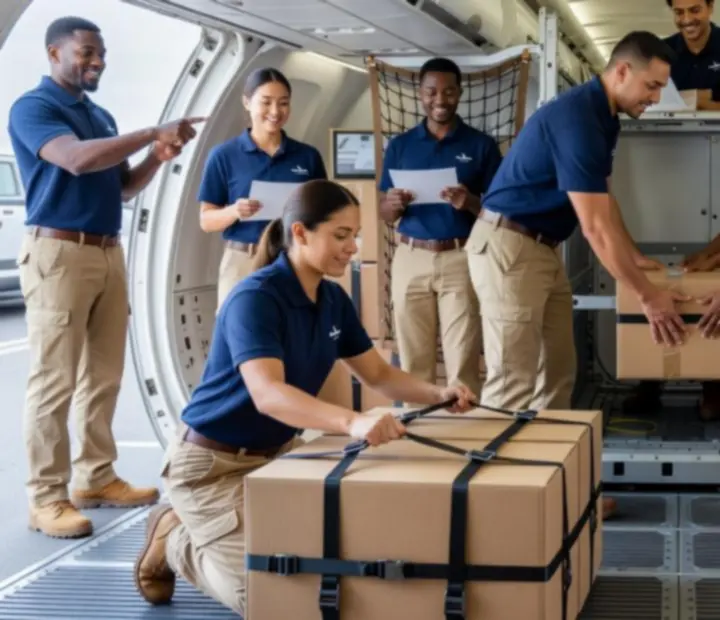
Loading and Securing: A Delicate Dance – crew members must coordinate to load, stack, and strap down cargo. Poor preparation invites chaos when turbulence hits, while a neat, properly secured layout can absorb much of the flight’s roughness.

The game leans into small physical details: a bag left half-on a shelf edge can slip during a bump; a crate resting on a sloped surface can slowly drift if not blocked. You feel these details in motion, which encourages players to treat loading as a practical puzzle instead of a quick checklist.

Using straps, tight arrangements, and mutual communication, your team can turn a jumble of bags into a stable structure. The best moments come when everyone is calling out suggestions, rebalancing rows, and slotting in one last item before the cabin doors close.

Before Takeoff: The Risk-Reward Briefing

Before Takeoff: The Risk-Reward Briefing – each flight asks you to decide which cargo to accept, balancing bonuses for extra freight against the increased likelihood of mid-air mishaps.

Weighing the Benefits

Extra cargo can make a route more rewarding, so there is always temptation to squeeze in just one more crate. If your crew enjoys pressure and improvisation, leaning into heavier or more complex loads can create memorable flights packed with near-misses and recoveries.

Reading the Conditions

Flight conditions and the general level of turbulence matter when you are deciding how bold to be. If you expect a calm trip, you may get away with a looser arrangement. If you anticipate bumpy segments, a conservative loading plan can be the difference between a smooth service and a rolling avalanche.

Agreeing as a Team

Since Dear Passengers: Travel Crew is built around cooperation, the pre-flight cargo briefing is an ideal time to decide who will react if things go wrong. Clarifying which player watches the hold, who helps in the cabin, and how quickly the pilot can adjust can make risk-taking feel intentional rather than random.

Cabin Crew and Cargo Roles

Cabin Crew and Cargo Roles – it is not just the pilot’s job: cabin crew need to track shifting items, respond to spills or loose packages, and maintain safety for all onboard.

Pilot Awareness

The pilot is not moving suitcases around, but they do influence how manageable your cargo feels. Steady flying, thoughtful turns, and measured reactions to turbulence make life easier for everyone dealing with the hold and cabin. When bumps are unavoidable, a quick heads-up helps the rest of the crew brace for impact.

Cabin Crew Guardians

Cabin crew are the frontline defenders against runaway baggage. They peek into storage areas, spot items starting to slide, and jump in to re-secure straps or clear blockages. When a crate jams an aisle or a suitcase pops open, cabin staff are the ones navigating around passengers to solve the problem.

Dedicated Cargo Specialist

Some groups naturally assign one player to be the cargo specialist. This person focuses on layout during boarding, then keeps an eye on trouble spots mid-flight. That role can be surprisingly busy when turbulence flares up and other crew members are tied up with passengers or cockpit duties.

Everyone Pitches In

Because the game is structured around cooperative improvisation, there will be moments when everyone drops what they are doing to chase a sliding crate or clear the aisle. Those brief all-hands emergencies showcase how tightly cargo is woven into the rhythm of the flight.

Dynamic Physics in Action

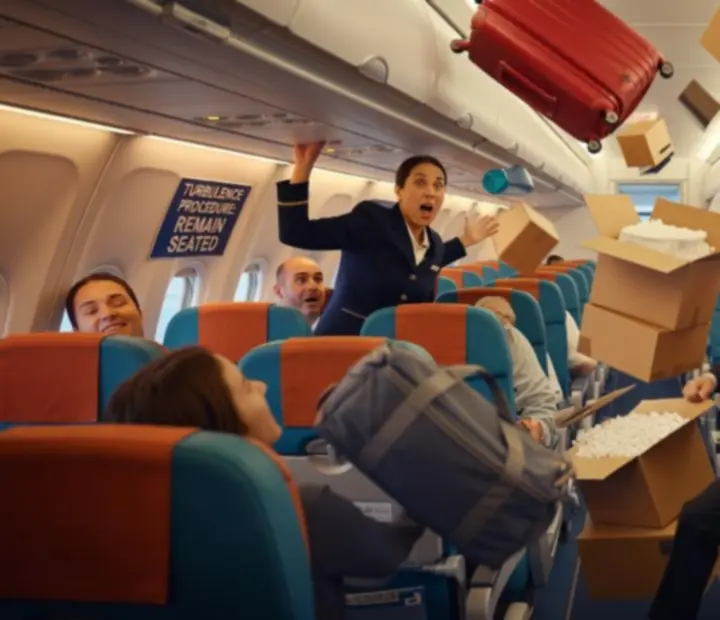
Dynamic Physics in Action – turbulence, sharp turns, or emergencies can send unsecured cargo flying, causing laugh-out-loud mayhem or mission-threatening complications. The same system that makes neat stacks satisfying also makes mistakes instantly visible.

When the aircraft jolts, bags may slide off shelves, crates can bump into doors, and hastily placed items might topple over completely. These movements are not scripted events; they arise from the game’s physics, which keeps outcomes feeling fresh even when you have flown a similar route before.

This unpredictability is exactly where the game’s humor and tension meet. One moment you are calmly serving passengers, the next you are sprinting down the aisle to stop a runaway box before it blocks access to an important area.

Passenger and Crew Interactions Around Cargo

Passenger and Crew Interactions – quick thinking is needed: respond to nervous passengers or team up to calm the chaos when cargo misbehaves during bumpy rides.

Passenger Reactions

When bags slide or thump against cabin structures, passengers notice. Crew may need to reassure anxious travellers, adjust their service route, or quickly tidy up visible messes before the situation escalates into a full distraction from other responsibilities.

Team Coordination

Cargo incidents usually require more than one person. While one crew member physically manages the problem area, another can communicate with the pilot or keep passengers settled. This division of tasks keeps the flight functional even when the physics engine throws a curveball.

Chain Reactions

A single bag out of place can turn into a full chain reaction if ignored. The longer you leave a sliding item, the more likely it is to knock into other objects or create blockages that slow down service. Spotting and solving these issues early is part of the game’s cooperative rhythm.

Special Deliveries and Bonus Challenges

Special Deliveries and Bonus Challenges – occasionally, rare or oversized cargo appears, offering rewards for expert handling or posing extra risks for the cabin.

Attention-Grabbing Items

Unique cargo pieces stand out visually and practically. They may not fit into your usual arrangement, forcing the crew to rethink their standard layout and accept that they will need to babysit this particular piece during rough air.

Extra Rewards, Extra Work

When you do choose to take on these special deliveries, they can turn a simple flight into a spotlight challenge. Protecting a tricky item from takeoff to landing can feel like a mini mission layered on top of your usual passenger and cockpit tasks.

Highlighting the Physics

These standout objects also showcase the physics system by exaggerating weight, shape, or movement. They are perfect for players who want to push the game’s chaos dial a little higher without changing the underlying rules.

Solo and Team Strategies

Solo and Team Strategies – whether playing with friends or solo (where available), good cargo habits—communication, planning, and plenty of improvisation—are key.

In cooperative play, the best runs usually come from crews that talk constantly: who is loading what, where potential weak spots are, and who can respond fastest when something shifts. Clear assignments reduce the panic when turbulence arrives.

When you are handling more responsibilities yourself, smart layouts become even more important. Investing extra time before takeoff to create sturdy stacks pays off later when you cannot break away from other duties as easily.

Cargo-Driven Replay Value

Cargo-Driven Replay Value – with changing layouts, item mixes, and unpredictable physics, no two cargo runs are quite the same.

Small variations in which items you accept, how they are arranged, and how the aircraft moves can produce very different stories from flight to flight. One session might be a calm, well-organized success; the next could be a rolling comedy of near-disasters.

This variability keeps the cargo game fresh even after you understand the basics. It is less about finding a single “correct” solution and more about enjoying how each new combination of conditions challenges your teamwork.

Tips and Best Practices for Cargo Handling

Tips and Best Practices – keep the cargo secure, share the load among crew, and watch for signs of shifting weight. Want the full challenge? Try different cargo mixes and see which strategies let your team land with everything (and everyone) intact.

  • Build from the bottom up: use your heaviest, flattest items as a base, then stack lighter luggage on top to reduce the chance of collapses.
  • Leave access paths: avoid blocking important doors or aisles with bulky crates so you can reach trouble spots quickly mid-flight.
  • Double-check straps: take a final pass before takeoff to tighten any loose securing points and wedge bags into gaps.
  • Assign a watcher: designate at least one crew member to keep casual tabs on the cargo state during calmer moments.
  • React early: treat small movements as early warnings; fixing a half-slid bag is easier than untangling a full pile-up.
  • Adapt to the route: if a segment is likely to be rough, tighten up your layout beforehand instead of relying on luck.
  • Experiment with mixes: test runs with different combinations of standard, heavy, and awkward cargo to find your team’s comfort zone.
  • Debrief after flights: talk about what shifted, which stacks failed, and how you might rebuild them more safely next time.