Cabin focus · Passenger dynamics

Passengers: The Heart of Dear Passengers: Travel Crew

In Dear Passengers: Travel Crew, the cabin is never just background scenery. AI-driven travelers react to turbulence, service, and surprises, turning every flight into a lively story about mood swings, spilled drinks, and quick crew decisions.

Cabin verdict

Passengers in Dear Passengers: Travel Crew are lively, reactive, and central to the chaos. Their changing moods, unpredictable reactions, and physics-fueled mishaps keep crews talking, coordinating, and laughing from boarding to landing.

Understanding Passengers: AI That Feels Lively, Not Robotic

Dear Passengers: Travel Crew treats passengers as the main source of drama and comedy, not just decorative seats. Their AI routines and behaviors constantly respond to the cabin around them, creating flights that feel alive rather than scripted.

Passengers shift between calm, curious, impatient, and panicked based on what the crew does—or fails to do. Smooth service, clear announcements, and steady flying can keep the cabin relaxed. Delays, rough turbulence, and ignored call buttons push some travelers toward grumbling, fidgeting, or full-blown chaos.

This flexible behavior ensures that no two flights feel identical. Familiar scenarios play out differently as passengers stand up at inconvenient times, reach for overhead bins during bumps, or react unexpectedly to emergencies. The variety is less about complex stats and more about believable cabin energy.

How AI passengers shape each flight

  • Routines simulate realistic cabin habits—stretching, chatting, and moving around at awkward moments.
  • Reactions are driven by what the crew and pilot actually do, making teamwork feel immediately visible.
  • Small disruptions can snowball: one risky moment can set off a chain of reactions down the aisle.
Explore physics-driven chaos

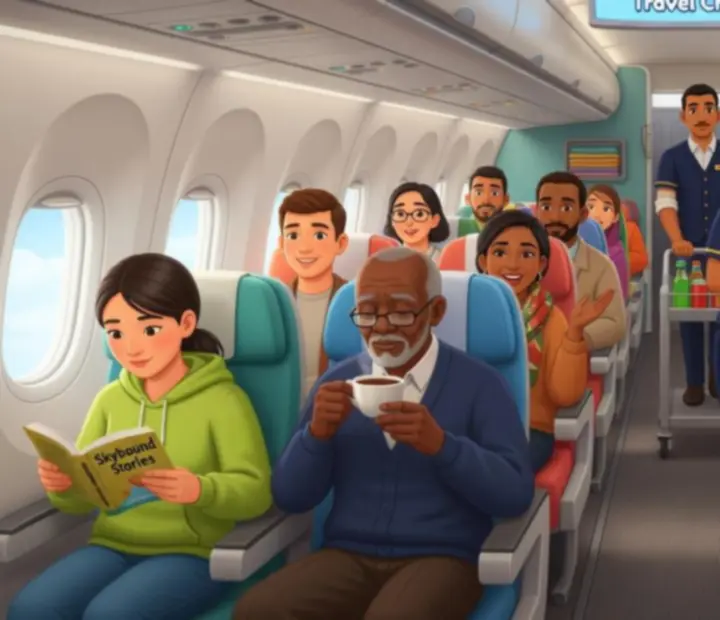
A busy aircraft cabin scene from Dear Passengers: Travel Crew with passengers seated and moving through the aisle

Passenger Reactions in Action

Cabin mood in Dear Passengers: Travel Crew is a moving target. Turbulence, delays, and sloppy service can flip the vibe from relaxed to riotous in seconds.

When turbulence hits

During rough air, some passengers grip armrests and stay seated, while others try to stand up at exactly the wrong time. Drinks slosh, overhead bins rattle, and anxious travelers might mash call buttons or shout for assistance. The crew’s ability to reassure and stabilize the cabin becomes a mini-challenge of timing and communication.

Service and satisfaction

Slow or clumsy service doesn’t just feel bad—it visibly changes how passengers behave. Missed rows, long waits, or bumped elbows can make the cabin twitchy. When service runs smoothly, people settle in; when it doesn’t, complaints, impatience, and chaotic aisle traffic become part of the game’s comedy.

Emergencies and surprises

Unexpected events—like in-flight problems or sudden changes—turn the passengers into an immediate test of crew coordination. Some travelers stay calm and follow directions; others freeze, panic, or move unpredictably through the cabin. The fun lies in quickly organizing the response while the physics engine keeps everything slightly off-balance.

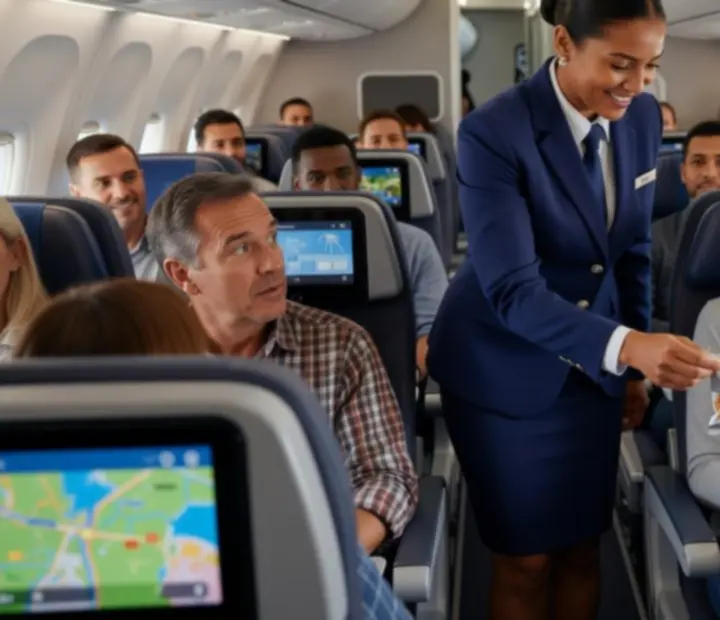
Cabin crew performing in-flight service to passengers in Dear Passengers: Travel Crew

Responding to Passenger Needs

Passengers in Dear Passengers: Travel Crew do more than sit and wait: they get hungry, bored, and anxious, and they expect the crew to notice. Responding to those needs with the in-game toolkit is where cabin roles really shine.

Crew members juggle aisles, trolleys, announcements, and timing. A well-timed refreshment round or reassuring message can calm a restless section of the plane. Neglect the basics, and you might watch a quiet cabin turn into a chorus of call lights and complaints.

Hungry passengers

Food and drink runs are straightforward in theory, but the physics and layout make them anything but. Maneuvering carts, avoiding bumps, and actually reaching each row before tempers flare gives the service phase a playful, tactical feel.

Bored travelers

When the flight stretches on, passengers start fidgeting, chatting loudly, or roaming the aisle. Strategic announcements and attentive passes through the cabin can keep the atmosphere fun instead of fractious.

Anxious flyers

Rough air and unfamiliar noises make nervous passengers visibly uneasy. Quick reassurance—through presence, gestures, or in-game communication options—can prevent panic from spreading down the row.

Deep dive on cabin crew roles

Dynamic Situations: From Calm to Chaos

The physics engine makes the cabin feel like a moving stage where small mistakes can spiral into slapstick disasters.

1. Smooth cruising

The flight starts peacefully: passengers are seated, service is organized, and the aisle is clear. It feels manageable—almost routine.

2. A small disruption

A drink gets nudged, a passenger stands up at the wrong time, or a service cart wobbles during a mild bump. Objects shift, and the camera of attention moves with them.

3. Chain reaction

Spilled items slide, passengers react, and others try to help—or get in the way. The combination of AI and physics means the aisle can turn into an obstacle course without warning.

4. Crew improvisation

The cabin crew scramble to clean up, calm people, and reset the cabin before things escalate further. Coordination and improvisation are key: who tidies, who reassures, and who watches for the next problem?

Passenger Types and Variety

The passenger list in Dear Passengers: Travel Crew mixes families, business travelers, vacationers, and quirky personalities. While the game doesn’t lean on heavy stats, each group behaves in ways that change how flights unfold.

Families

Families can turn nearby rows into busy micro-scenes. Adults juggle bags, snacks, and conversations, while younger travelers may fidget, stand up unexpectedly, or react strongly to bumps and delays. Keeping this section of the cabin calm is often a team effort.

Business travelers

Business-minded passengers tend to value efficiency and minimal disturbance. Smooth service, clear communication, and reduced chaos around their seats help maintain a focused, orderly feel—at least until turbulence or nearby mishaps drag them into the drama.

Vacationers

Holiday-goers often bring upbeat energy but can slide into noisy or distracted behavior if the flight runs long or rough. They react strongly to fun, comfort, and disruption alike, amplifying the overall mood of the cabin—good or bad.

Quirky characters

Among the general crowd, some stand-out personalities create memorable moments—overly enthusiastic, nervous, or simply unpredictable. They keep even experienced crews from settling into autopilot, reinforcing that every run has its own cast.

Communication: Crew and Passengers

Communication is the invisible thread that holds flights together in Dear Passengers: Travel Crew. When crews keep passengers informed and reassured, even bumpy legs can feel manageable. When communication slips, the same conditions feel frantic.

Announcements, presence in the aisle, and quick responses to visible discomfort all play into how the cabin reacts. Passengers are more forgiving of turbulence or delays when the crew seems in control and engaged. Silence or slow reactions make every bump seem worse.

This design reinforces the game’s cooperative focus. Pilots and cabin crew are not only coordinating with each other; they are also jointly managing the expectations of everyone on board, transforming communication into a shared mini-game of timing and tone.

How prep affects passenger calm

Communication checkpoints

  • Before takeoff: setting expectations and easing early nerves.
  • During turbulence: explaining what is happening and what to do.
  • Service updates: clarifying delays, changes, or limited options.
  • Emergencies: giving crisp instructions passengers can actually follow.

None of this turns the game into a strict simulator. Instead, communication acts as a playful tool for steering cabin mood and creating shared in-jokes with co-op partners.

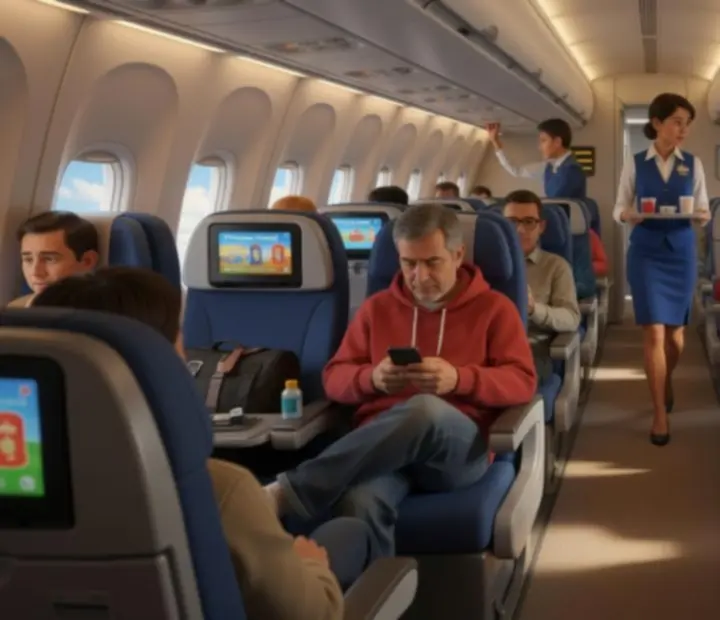
Warmly lit aircraft cabin ambience in Dear Passengers: Travel Crew

The Cabin Atmosphere: A Stage for Co-op Comedy

The cabin in Dear Passengers: Travel Crew blends polished visuals with a playful, slightly exaggerated tone. Lighting, layout, and character animations make the aircraft feel believable while still giving room for comedy and chaos.

Because passengers react visibly to events—looking around, shifting in their seats, and moving through the aisle—the cabin never feels static. Even quiet stretches carry a sense that anything could happen with the next bump, announcement, or misjudged cart turn.

As a result, the cabin becomes a stage where players try to stay professional while the physics engine and AI nudge the situation toward farce. It is less about strict realism and more about light-hearted, travel-themed co-op storytelling.

Why the cabin works so well

  • Clear visual feedback when passengers are content, restless, or alarmed.
  • Layout that supports both orderly service and unexpected traffic jams.
  • A bright, travel-inspired art style that keeps tense moments fun rather than grim.

Why Passengers Make the Game

Without its unpredictable passengers, Dear Passengers: Travel Crew would be a much quieter experience. With them, every leg becomes a story worth retelling.

People, not just systems

Many management or simulation games focus on checklists and meters. Here, the most important feedback comes from how passengers behave. You see success when people settle, laugh, and cooperate—and you feel mistakes when frustration spreads down the aisle.

Built-in replay value

The mix of AI routines, physics, and varied passenger types makes runs feel fresh. The same scenario can play out in calmer or wilder ways depending on crew coordination, timing, and a bit of luck. That unpredictability is a big part of the charm.

Co-op storytelling fuel

Because passengers react so vividly, they naturally become the focus of co-op chatter: the passenger who panicked at the wrong time, the family row that turned into a balancing act, the near-perfect service round undone by one bump. These shared stories are what keep groups coming back.