Physics at the Heart of Dear Passengers: Travel Crew

Dear Passengers: Travel Crew is not just about pressing cockpit buttons. It is a full-on physics sandbox where every suitcase, coffee cup, and passenger movement can turn a routine hop into slapstick mayhem or a perfectly executed rescue.

This page is part of Skycrewtrip's independent review of Dear Passengers: Travel Crew. We are not affiliated with InfiniteArc Studios or Google Play, and all opinions here are editorial.

Simulation style
Shared cabin physics sandbox, not a strict cockpit simulator
Key ingredients
Turbulence, shifting cargo, loose objects, reactive passengers
Why it matters
Every jolt rewrites the layout, so teamwork and improvisation are essential
Cabin Status: Unstable

Real-time physics drive every bump, bounce, and spill.

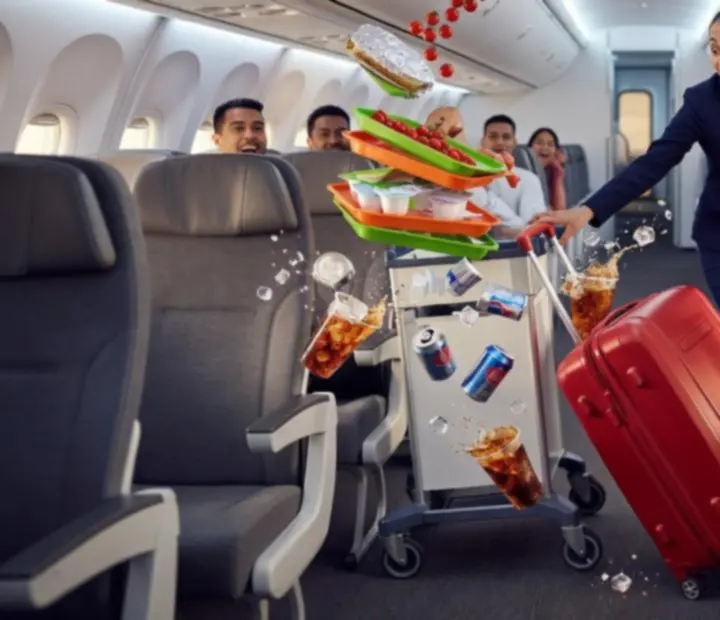
Cabin view of a turbulent moment in Dear Passengers: Travel Crew with items shifting and crew reacting.
Unpredictable turbulence turns routine service into a physics puzzle.

Turbulence Bursts

Sudden jolts send trays, luggage, and drinks flying, forcing crew to react instantly.

Risky Cargo Loads

Heavy and rolling items behave according to their weight and position in the cabin.

Comedy by Design

Domino-style chain reactions create the game’s funniest crew stories.

Want the full context of how these systems play alongside roles and passengers? Visit Roles, Passengers, and Cargo.

A Flight Built on an Advanced Physics Engine

Dear Passengers: Travel Crew revolves around a shared physics simulation. Instead of scripted mishaps, you get emergent situations based on how forces, weight, and momentum interact across the whole aircraft.

Everything Is a Physical Object

Every item in the cabin has a presence in the simulation. Beverage carts, suitcases, meal trays, cups, and even snacks move according to real-time forces. If the aircraft bumps, turns sharply, or hits turbulence, those objects respond believably.

This approach makes flights feel lively and slightly dangerous in an entertaining way. Instead of objects “pretending” to move, they slide, topple, and collide with each other and with passengers and crew.

Why This Matters for Gameplay

The physics system is not just visual flair. It defines the stakes of every decision you make before take-off and during the flight. Where you place carts, how securely you store luggage, and when you move through the aisle all influence what happens when something shakes the cabin.

Because of this, the game’s entertainment comes less from flying a perfect route and more from managing controlled chaos together.

Unpredictable Turbulence and Cabin Chaos in Motion

Rough air is the main catalyst for drama. When turbulence hits, the cabin transforms from an orderly aisle into a moving obstacle course.

Unpredictable Turbulence

Turbulence in Dear Passengers: Travel Crew is designed to feel sudden and disruptive. A jolt can tilt the aircraft enough to send trays, luggage, or coffee pots sliding out of reach—or worse, directly into passengers.

These bursts of motion test your reflexes and coordination. Crew members must quickly secure loose items, restore some order, and keep passengers safe (and ideally not drenched in hot drinks).

Cabin Chaos in Motion

The cabin is an active environment instead of static scenery. Items slide, wobble, and tumble as you would expect on a rough flight. Carts may slowly creep down the aisle, bags can inch out of overheard storage, and small items skitter under seats.

To succeed, you need to treat the cabin like a moving puzzle. Understanding how gravity and momentum will push objects around is just as vital as remembering passenger requests.

Weather and External Forces

Weather in Dear Passengers: Travel Crew is more than a backdrop. It influences how the aircraft behaves and, by extension, how everything inside it moves.

Crosswinds and Storms with Consequences

When crosswinds or stormy conditions show up, you feel them in the cabin. Shifts in the aircraft’s motion translate into sudden jolts that affect crew footing, passenger balance, and the stability of carts and luggage.

This means an external gust can instantly turn a neatly arranged galley into a sliding puzzle of half-open drawers and rolling bottles.

Shifting Weight and Flight Dynamics

Weight distribution matters. Heavy objects and unevenly loaded areas change how the aircraft reacts to bumps and turns. While the game does not present itself as an ultra-technical simulator, you will still notice when the cabin feels slightly off-balance.

In practice, this pushes you to think ahead when you prepare cargo and service equipment, long before you ever feel the first hint of turbulence.

Risky Cargo, Shifted Loads, and the Domino Effect

Cargo and cabin equipment are quiet troublemakers. Their sizes, shapes, and positions determine whether a flight feels under control or like a runaway comedy sketch.

Risky Cargo and Shifted Loads

Not all cargo is created equal in Dear Passengers: Travel Crew. Heavy luggage, rolling carts, and fragile glassware react authentically when the cabin moves. Overpacking a compartment or leaving a cart slightly unsecured may seem fine during smooth air—until conditions change.

When turbulence hits, extra-heavy bags can yank other items out of position, and wheels can send carts gliding down the aisle. It is a subtle reminder that the cargo plan you settle on at the gate will echo through the whole flight.

To see how this ties into broader strategy and pre-flight choices, visit our Preparation and Cargo pages.

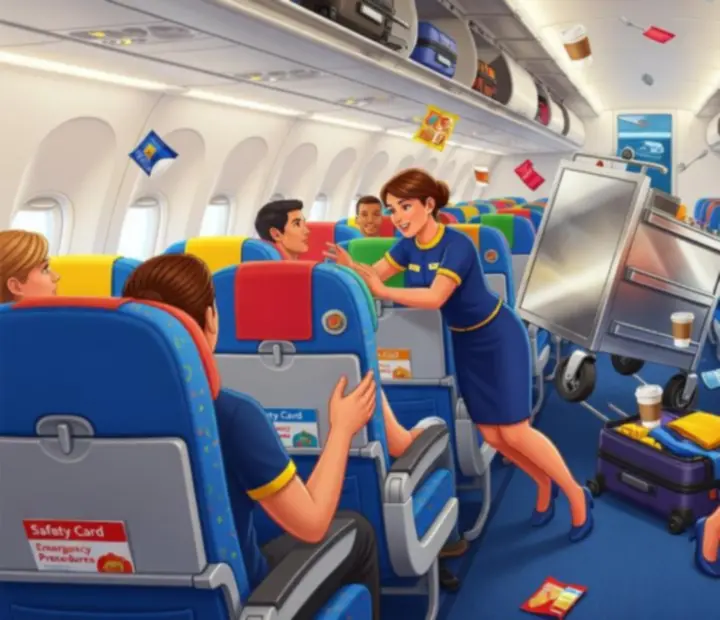
Cabin scene from Dear Passengers: Travel Crew showing objects colliding in a chain reaction.
One loose object can trigger a cabin-wide domino of spills and sliding gear.

Loose Objects and the Domino Effect

Things get especially entertaining when one unanchored item starts a chain reaction. A small jolt can push a tray into a cart, nudge the cart into a passenger, and topple an entire row of drinks and snacks.

The result is part disaster, part comedy sketch. You are constantly deciding whether to secure one more item now or hope the air stays calm just long enough to finish another task.

Preventing Chaos Together

Because everything is shared, good preparation benefits the whole crew. Assigning one person to double-check carts or keep an eye on risky corners can prevent a minor bump from unseating half the galley.

This is where the game’s cooperative spirit really shows: your team can either create elegant order or a domino show that has everyone scrambling and laughing.

See how roles share the workload

Teamwork in a Physics Sandbox

The physics engine makes coordination the real star of Dear Passengers: Travel Crew. Instead of simply following a checklist, you are constantly responding to a living, shifting environment.

Anticipation as a Skill

Success hinges on anticipating what physics will do next. Crews that thrive in the game learn to:

  • Assign roles based on who is best at reacting under pressure or planning ahead.
  • Place carts and luggage where they are least likely to roll or slide.
  • Time cabin walks to avoid moving during known rough patches.
  • Keep clear escape paths for when everything goes sideways.

The shared simulation turns each run into a lighthearted experiment: how long can you keep the chaos contained this time?

From Slapstick to Strategy

On one flight, you might be laughing as crew and passengers stumble around, trying to catch airborne snacks. On another, you might pull off a near-perfect response to a rough patch by pre-positioning carts and spreading the cargo load.

This variety is why physics sits at the center of the game’s identity. The same system produces both comedic mishaps and genuinely satisfying moments of coordination.

If you want to understand how crew duties layer on top of these systems, our Roles page dives deeper into specific responsibilities.

Mastering Controls Under Pressure

With the cabin constantly reshaping itself, controls are about timing, precision, and staying calm when the layout changes under your feet.

Small Mistakes Can Snowball

Because physics dictate how objects move, even a tiny misjudgment can escalate. A slightly late button press, a missed grab for a cart, or poor positioning in the aisle might leave you staring at a wave of sliding items you no longer have time to catch.

Instead of punishing you with strict realism, the game lets these errors play out in amusing ways. Part of the fun is watching how a near miss becomes a full-blown, but recoverable, mess.

Adapting to Shifting Layouts

You cannot rely on the cabin looking the same from minute to minute. A previously clear path might now be cluttered with fallen bags or spilled items. Good crews:

  • Scan the environment before committing to a route.
  • Communicate when they see a new hazard or obstacle.
  • Adjust their priorities when physics reshuffle the space.

For a broader look at how these pressures feel minute-to-minute, check the pacing and overall verdict on our Review page.

Passenger Movement, Behaviour, and the Learning Curve

Passengers are not just decorative background characters. Their reactions to turbulence feed directly into the physics systems.

Passengers as Moving Variables

When the cabin shakes, passengers may react in unpredictable ways. Their panicked dashes, stumbling walks, or poorly timed attempts to stand add more moving pieces to the physics puzzle.

A rushing passenger can collide with carts, knock over bags, or block a narrow space just when you need to pass through. What starts as a simple service task can quickly turn into a multi-person traffic jam if turbulence hits at the wrong moment.

Our dedicated Passengers page explores these behaviours in more detail.

The Physics Learning Curve

At first, the cabin can feel wildly unpredictable. Over time, you begin to read subtle physics cues, such as:

  • A drink trolley leaning a little too far to one side.
  • A suitcase edging closer to the lip of a compartment.
  • A passenger wobbling in the aisle as turbulence starts to build.

As you gain experience, you develop a kind of sixth sense for where chaos might originate. That awareness is what separates a frantic scramble from a controlled, collaborative response.

Why the Physics Are Funny – and Why They Keep You Coming Back

The heart of Dear Passengers: Travel Crew is the blend of genuine challenge and good-natured chaos. Physics is the engine that powers both.

Physical Comedy in the Cabin

Because items and characters react dynamically, unexpected stumbles and pratfalls are common—and often hilarious. You might watch a carefully balanced stack of trays tilt in slow motion or see friends scramble to catch a runaway cart before it plows into a row of seats.

The humour is rooted in cause and effect. You know exactly which decision (or oversight) triggered the scene, which makes it easy to laugh about afterward and plan a better response next time.

Replay Value from Physics Variety

No two flights play out exactly the same way. Changing conditions, different cargo arrangements, and fresh passenger combinations produce endlessly unique scenarios. One run might revolve around spilled drinks; another could be defined by stubborn luggage or a surge of panicked passengers mid-flight.

This variety gives Dear Passengers: Travel Crew strong replay value, especially with a cooperative group that enjoys telling “war stories” about their wildest flights.

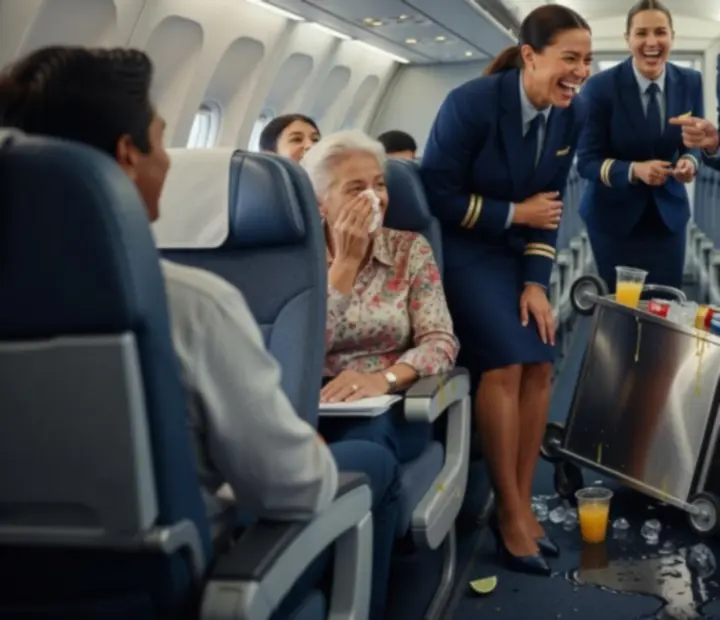
Crew in Dear Passengers: Travel Crew laughing together after a chaotic physics-driven incident.
Shared physics mishaps turn stressful moments into memorable in-jokes with friends.