
Frequently Asked Questions

This Skycrewtrip FAQ focuses on Dear Passengers: Travel Crew as an independent review, not an official InfiniteArc Studios or Google Play property. Explore how its cooperative airline chaos actually plays, what roles you can take, and where to find the official download.

All outbound install buttons on Skycrewtrip point only to the official Google Play page for Dear Passengers: Travel Crew.

What is "Dear Passengers: Travel Crew"?

"Dear Passengers: Travel Crew" is a physics-driven cooperative airline simulation where you and other players become the on-board crew of a lively virtual aircraft. Instead of quietly cruising on autopilot, flights turn into animated scenarios where timing, coordination, and improvisation matter more than perfect realism.

You can take different jobs on the plane, from piloting in the cockpit to managing the bustle inside the cabin. Together, you are responsible for keeping passengers safe and (mostly) calm, securing cargo, responding to changing weather, and reacting when the game’s dynamic physics sends drinks, bags, or equipment sliding and tumbling around the cabin.

Skycrewtrip reviews the game as an independent editorial site. Our role is to explain how the co-op airline chaos feels to play, who it suits, and what to expect before you try it on your own device.

How does the cooperative multiplayer work?

In cooperative sessions, multiple players join the same flight and each selects a crew position, such as pilot or cabin attendant. Once everyone is on board, the group has to divide responsibilities: one player might watch the instruments and flight path, while others move through the aisle checking passengers, stowing items, and tidying up any mid-air mishaps.

The key is communication and improvisation. Turbulence, dropped baggage, or distracted passengers can derail even a neat flight plan. When objects shift or someone forgets to secure a bag, players need to call out priorities (“grab the rolling suitcase first”, “I’ll calm row 3, you fix the overhead bin”) and react in real time. The result is a social, laughter-heavy style of chaos that feels closer to a party game built around airline routines than a strict flight simulator.
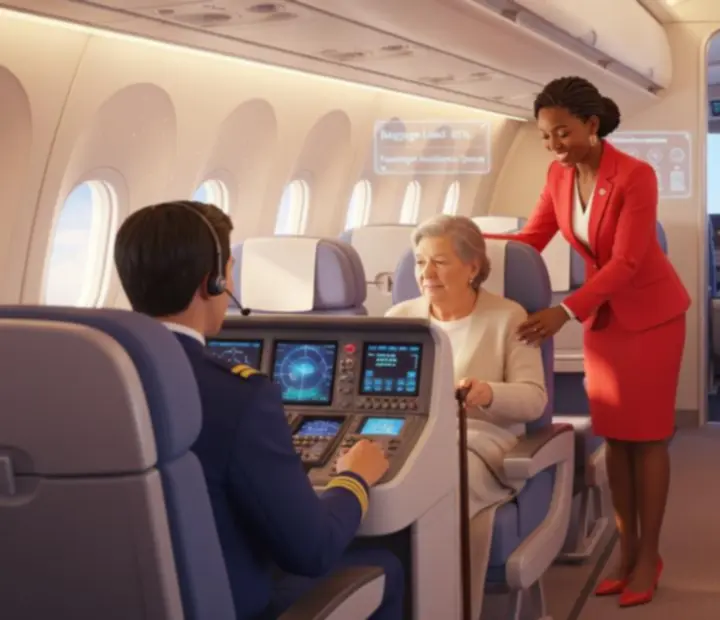
Cooperative crew members coordinating tasks inside the airplane cabin in Dear Passengers: Travel Crew

What roles can players choose and what do they involve?

The game revolves around two broad categories of work: piloting the aircraft and managing the cabin. Each role taps into a different kind of focus:

  • Pilot role: Stays in the cockpit, steering the plane and monitoring flight conditions. The pilot watches for turbulence, adjusts to changing weather, and keeps an eye on how the aircraft responds when the cabin gets messy. Clear communication with the crew is essential so that sudden maneuvers do not catch passengers or loose items off guard.
  • Cabin crew roles: Move up and down the aisle, serving passengers, stowing luggage, and reacting to on-board incidents. They respond quickly when a bag slips out, a drink spills, or an object starts sliding in the wrong direction, trying to keep both safety and comfort under control while the plane jostles around them.

The fun comes from role division and coordination: the pilot tries to keep conditions manageable while cabin crew juggle service, safety, and the game’s playful physics.

What kinds of challenges or emergencies can happen during a typical flight?

Flights rarely stay calm from take-off to landing. The game creates surprise scenarios that push the crew to work together under pressure:

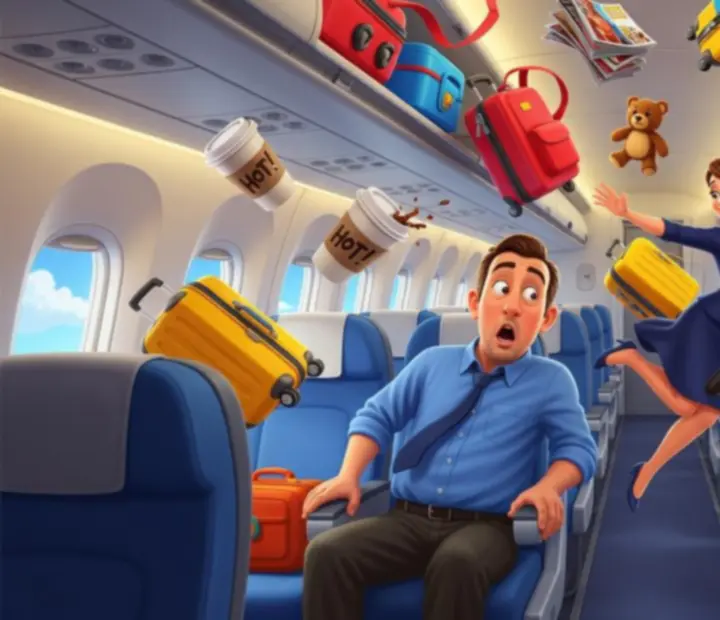
  • Turbulence: Sudden bumps and shakes can jolt the aircraft, turning previously secure objects into potential hazards that slide, bounce, or topple.
  • Changing weather: Shifts in conditions influence how safe and steady the flight feels, asking the pilot and crew to adjust their approach on the fly.
  • Cargo issues: Poorly managed luggage or freight may come loose, forcing players to prioritize what to secure first before it causes more chaos.
  • Passenger reactions: Passengers can respond unpredictably when the cabin gets hectic, adding an extra layer of lighthearted drama for the crew to balance.

These events are designed to make each flight feel unpredictable and energetic, emphasizing teamwork, quick thinking, and a sense of humour about airborne mishaps.

Turbulence causing loose items and cabin chaos in Dear Passengers: Travel Crew

Is single-player play possible, and does it differ from multiplayer?

The core design of Dear Passengers: Travel Crew is clearly oriented around cooperative play. Flights feel most natural when duties are shared among several people, with each player focusing on their own slice of the aircraft.

Solo play may be possible, but it is less emphasized than group sessions. Managing multiple responsibilities alone can raise the challenge and change the pacing: instead of relying on other humans, a single player has to juggle tasks more rapidly, shifting attention between cockpit-style decisions and cabin events. If you are interested primarily in a solo management challenge, keep in mind that the experience is built first and foremost for shared co-op fun.

How realistic are the physics systems?

The physics in Dear Passengers: Travel Crew are designed to feel active and believable, but they are intentionally exaggerated for humour rather than strict realism. The goal is to create memorable, chaotic scenes that are entertaining instead of stressful.

  • Loose drinks can arc through the air in dramatic ways when turbulence hits at the wrong moment.
  • Bags and objects might tumble down the aisle or bounce off seats, demanding quick reactions from nearby crew.
  • Passengers may respond in over-the-top fashion when things go sideways, adding to the comedy instead of the tension.

This exaggerated physics approach keeps the mood light and playful, and it frames each flight as a creative co-op challenge rather than a serious flight training exercise.

Can I play on mobile devices, and does it support touchscreen controls?

Yes. Dear Passengers: Travel Crew is available on mobile and is built around touchscreen-friendly controls. Interactions are tuned for quick taps and drags rather than complex key combinations, which fits the energetic, seat-to-seat pacing of cabin work.

You can expect to tap to interact with passengers or key objects and drag items to move or reposition them. This setup makes it easier to respond when turbulence suddenly sends something sliding down the aisle, especially during short play sessions on the go.

Mobile touchscreen controls being used in an airplane cabin scene in Dear Passengers: Travel Crew

Where can I download the game, and is this website official?

Skycrewtrip is not an official website for Dear Passengers: Travel Crew, InfiniteArc Studios, or Google Play. It is an independent review site that explains how the game plays and who it might suit, based on its cooperative airline simulation and physics-driven cabin chaos.

If you decide you would like to try the game, the official and only download destination we recommend is its Google Play page:

https://play.google.com/store/apps/details?id=com.ias.dear.passengers.travel.crew

Skycrewtrip does not host installers, APKs, mirrors, or alternative stores. Every “install” or “download” button on this site simply opens that single official Google Play listing, keeping your route to the game clear and trustworthy.

Skycrewtrip review call-to-action panel linking to the official Google Play page for Dear Passengers: Travel Crew