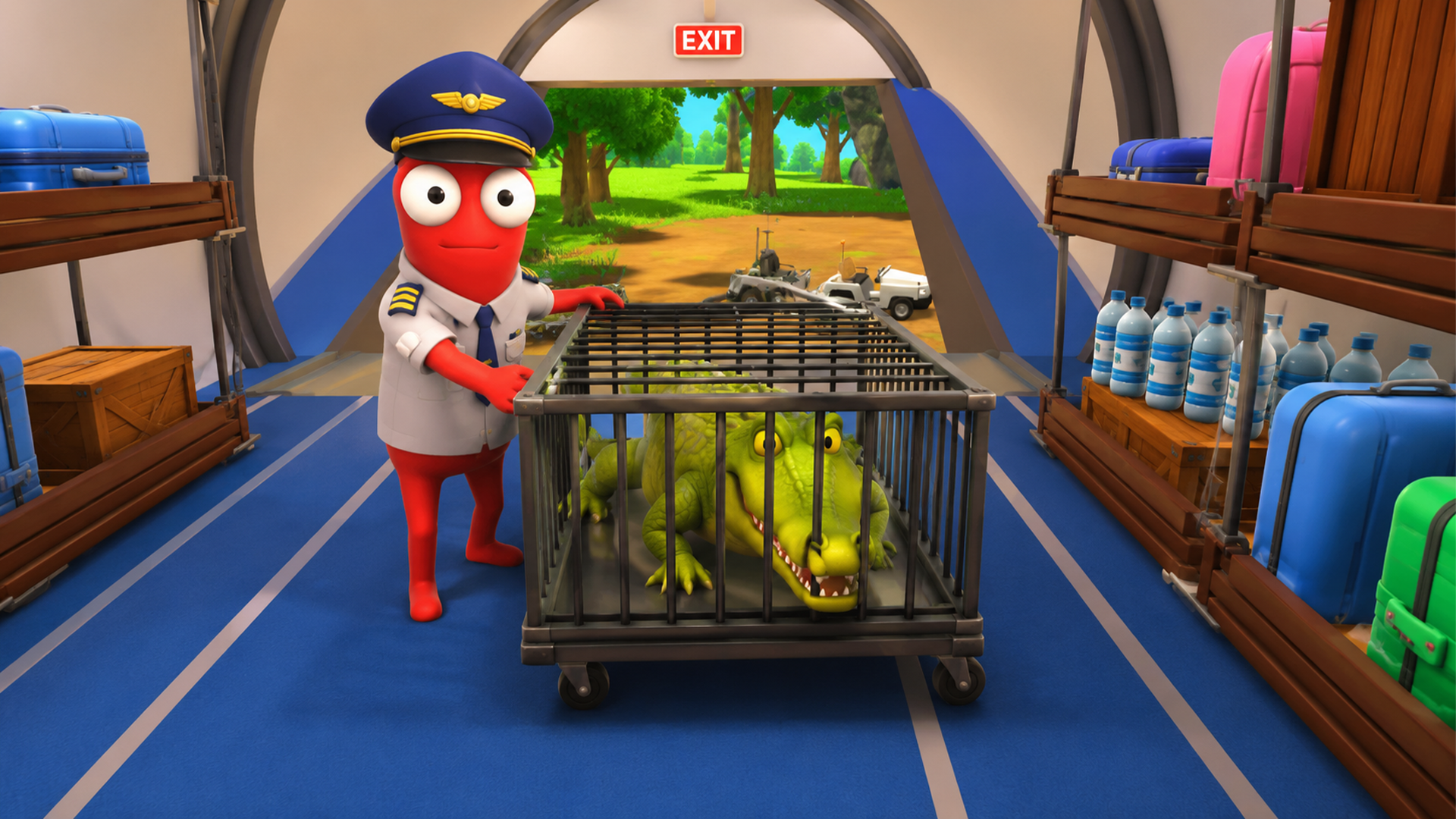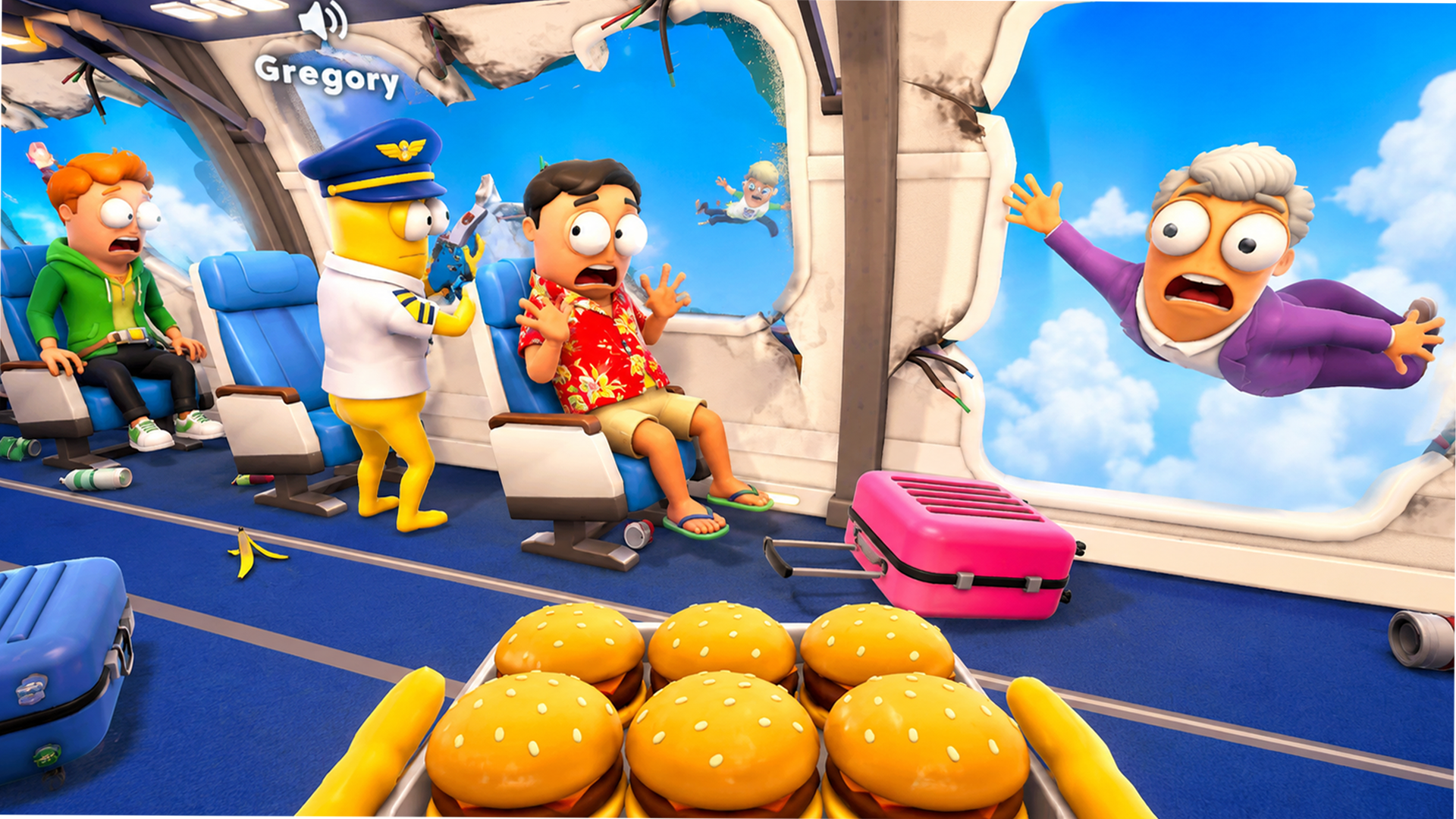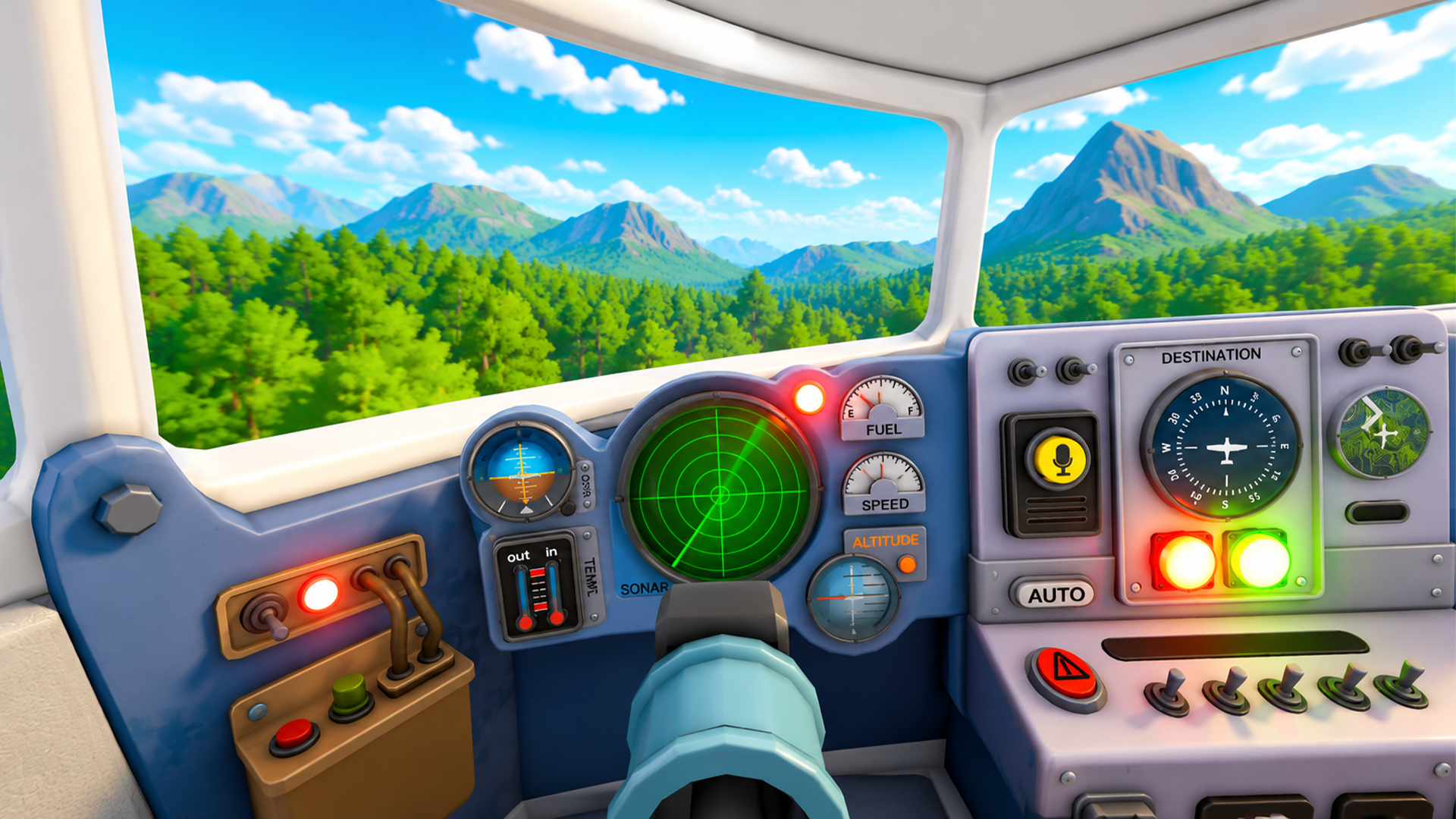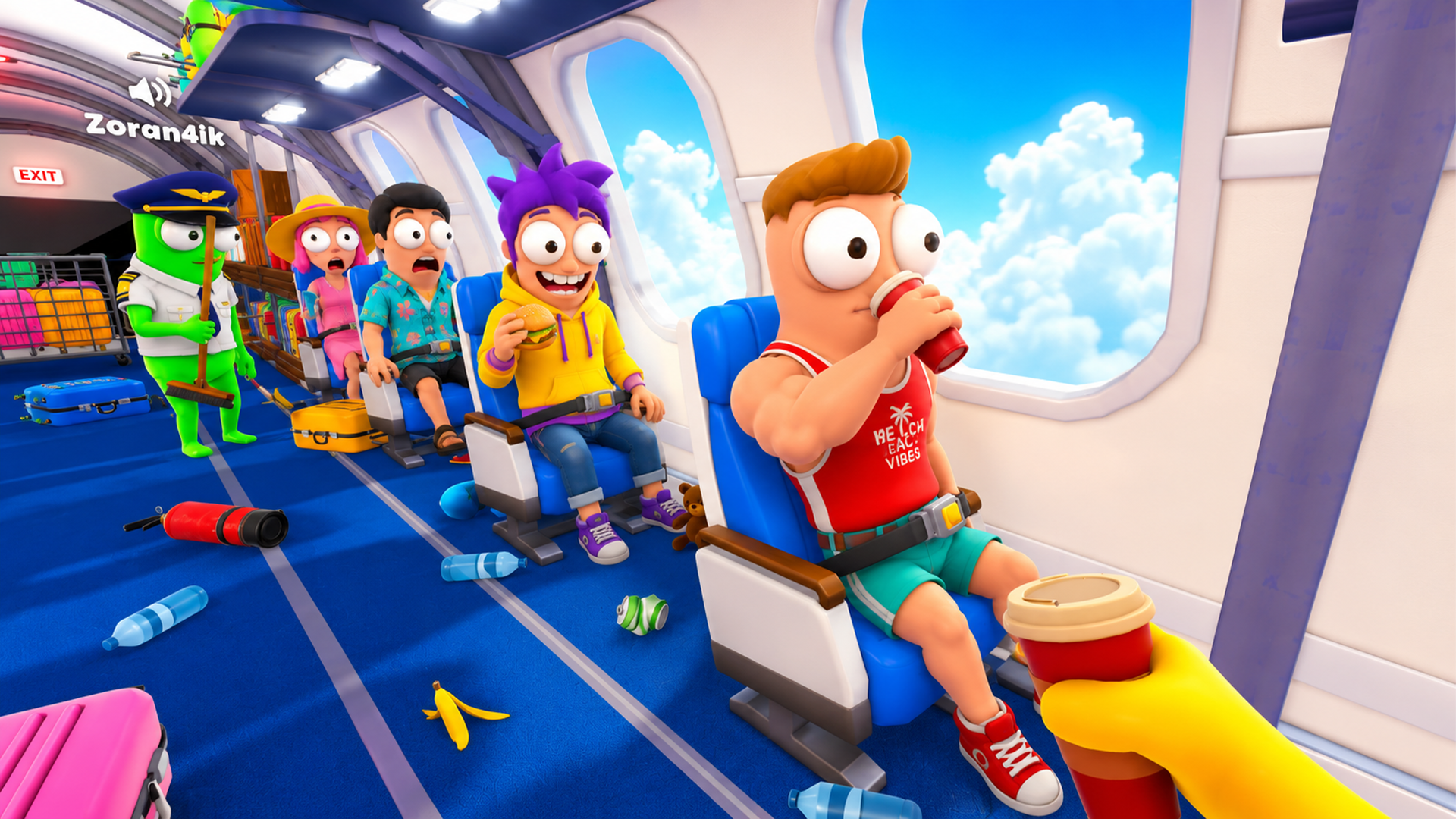
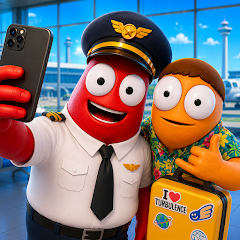
Dear Passengers: Travel Crew – Teamwork-First Airline Chaos

Skycrewtrip is an independent review hub, not affiliated with InfiniteArc Studios or Google Play. Here we focus entirely on Dear Passengers: Travel Crew, a physics-driven cooperative airline simulation where the fun comes from coordination, improvisation, and cabin-wide chaos rather than pure cockpit realism.

  • Physics-driven cabin and cockpit where loose objects, carts, and luggage react to turbulence
  • Distinct crew roles: pilot responsibilities up front, high-pressure service duties in the cabin
  • Flights built around teamwork, timing, risk-versus-reward departure choices, and humorous emergencies

Quick Verdict

Board if you enjoy co-op coordination, shared laughter, and reactive physics more than strict simulation depth.

Focus

Teamwork, passenger service, cargo decisions, and managing chaos under changing flight conditions.

Gameplay moment from Dear Passengers: Travel Crew

Quick Verdict: Should You Board?

Dear Passengers: Travel Crew is a physics-driven cooperative airline simulation that treats every flight like a shared shift with your friends. Instead of diving deep into aircraft systems, the game shines when you divide roles, manage passengers and cargo, and scramble together as turbulence sends objects and expectations flying.

Independent Review Co-op Focus Physics-Driven

Boarding Call – Who Will Enjoy It

  • You like cooperative games where communication and timing matter more than perfect stats.
  • You enjoy humorous, slightly chaotic physics – wobbling trolleys, shifting cargo, and unpredictable bumps.
  • You want both piloting and cabin-crew duties represented, from steering the plane to serving the aisle.
  • You appreciate runs that tell stories: the calm take-off that turned into a mid-flight scramble.

Maybe Stay at the Gate If…

  • You want a strict, technical flight simulator with detailed avionics and complex procedures.
  • You dislike games where messy, physics-driven outcomes can derail a carefully planned run.
  • You mainly play solo and prefer deep single-player systems over shared co-op moments.

Game Premise: The Teamwork Airlines Approach

Dear Passengers: Travel Crew treats an airliner like a shared workplace: cockpit, cabin, passengers, and cargo all reacting to the same physics and conditions. Success is about how your team responds when the unexpected hits.

Cockpit + Cabin, One Moving World

Flights do not unfold as isolated mini-games. Pilots handle heading, altitude, and reactions to changing conditions, while cabin crew serve, secure items, and manage service under pressure. Everything shares one physics-driven space: a bump in the air might knock a trolley off balance or send an unsecured suitcase sliding down the aisle.

The result is a cooperative experience where each decision—what to load, when to start service, how to respond to early warning signs—can echo across the entire aircraft.

Risk Versus Reward Before Take-Off

Before you ever leave the gate, you weigh risks and rewards: how much cargo can you safely load, which services can you realistically deliver, and how fast should the crew push to keep passengers happy? These choices shape the tone of the flight, turning some routes into relaxed cruises and others into frantic, high-risk shifts.

This planning layer keeps the game from being pure slapstick. The chaos that follows often feels like a consequence of early decisions, which makes each completed route feel like a story your crew built together.

Improvisation as a Core Mechanic

Even with a careful plan, physics-driven events quickly force improvisation: a spill that blocks the aisle, a piece of cargo that shifts at the worst moment, or sudden turbulence that sends items and tempers flying. Instead of following a rigid script, your team is constantly re-negotiating roles and priorities mid-flight.

If you enjoy games where reacting creatively to shared problems is half the fun, this premise delivers.

From Boarding to Landing: A Flight in Motion

Think of each game as a complete route. You prepare, board, climb, endure the unpredictable middle, and then fight to land with your cabin, passengers, and cargo still under control.

Explore preparation details
  1. 1

    Boarding & Briefing

    You choose roles, agree on a rough division of duties, and talk through initial priorities. Pilots glance at expected conditions, while cabin crew get ready for early service and safety checks.

  2. 2

    Take-Off & Early Calm

    Once in the air, the crew has a short window where everything feels manageable. This is when good teams quietly set up: securing cargo, staging trolleys, and communicating about any early-warning signs from the cockpit.

  3. 3

    Service & Emerging Friction

    The cabin springs to life with requests, service runs, and moving objects. Small mistakes—an unsecured cart, a rushed manoeuvre—start to collide with the game’s physics systems, turning minor bumps into potential problems.

  4. 4

    Mid-Flight Turbulence & Emergencies

    When conditions worsen, the whole aircraft feels it. Turbulence, sudden events, and shifting weights demand fast decisions from pilots and immediate reactions from cabin crew, often resulting in frantic but funny scrambles.

  5. 5

    Approach, Landing, and Debrief

    As the runway approaches, your team rushes to stabilize the cabin, secure objects, and keep passengers as calm as possible. When it is over, you can trace the story back: where did things go right or wrong, and what will you do differently next time?

Pilot’s Point of View & Cabin Crew: Two Sides of the Same Flight

Dear Passengers: Travel Crew splits responsibilities between the cockpit and the cabin. The experience feels different depending on your role, but teamwork ties it all together.

Pilot’s Point of View: Above the Clouds, Beyond the Controls

From the pilot’s seat, Dear Passengers: Travel Crew is about reading conditions, staying ahead of turbulence, and responding quickly when the aircraft, passengers, and objects all begin to move. The game balances a recognizable sense of piloting with the knowledge that the real drama is happening behind you.

  • Dynamic conditions: You steer through shifting situations that can raise or lower the strain on your cabin team.
  • Emergency reactions: When alarms, warnings, or visual cues pop up, you must choose whether to stabilize, press ahead, or improvise around the problem.
  • Communication: Pilots share early signals with the cabin—rough patches ahead, expected manoeuvres—so crew can secure items before chaos hits.

If you prefer a leadership role that sets the tone without micromanaging every button, piloting offers a satisfying way to guide your crew through unpredictable skies.

Deep dive into pilot duties

Passengers, Cargo, and Chaos

Dear Passengers: Travel Crew keeps tension high by making passengers, cargo, and loose objects part of the same physical system. Every decision about what you carry and how you secure it can come back to haunt—or delight—you mid-flight.

Passengers: Reactions in Real Time

Passengers help define the mood of your flight. When service goes smoothly and bumps feel minor, you can almost forget they are there. But as you miss service windows or hit rough patches, their reactions become part of the challenge the crew must manage.

Keeping them reasonably content turns into a soft objective that hangs over every decision: do you take the time to calm a nervous row, or sprint to secure a roaming object first?

More on passenger behaviour

Cargo Decisions: Weight, Space, and Risk

Cargo management is where risk-versus-reward choices feel particularly tangible. Loading more may make the flight more lucrative or satisfying, but it also increases what can go wrong when turbulence hits or when shifting weight affects the cabin and crew.

Thoughtful teams discuss what they can realistically manage: how many items can the crew safely secure and monitor while still delivering good service?

Review cargo considerations

Loose Objects and Cascading Chaos

Because Dear Passengers: Travel Crew uses physics to govern objects, a single unsecured item can start a small chain reaction. A sliding cart can block an aisle, which then delays service, which then frustrates passengers, which then distracts crew during a more serious event.

The comedy and tension come from these small, believable mishaps scaling into stories you retell after landing.

Understand the physics layer
Gameplay moment from Dear Passengers: Travel Crew

The Physics Factor: Dynamic Weather & Turbulence

Physics is the real star of Dear Passengers: Travel Crew. Instead of abstract counters or invisible danger meters, you experience the consequences of rough conditions as sliding carts, tumbling bags, and objects that behave in ways your team can see and react to.

  • Dynamic turbulence: When conditions worsen, crew movements, carts, and unsecured items visibly respond, turning the aisle into a stage for both danger and slapstick.
  • Weight and motion: Cargo and passengers contribute to the sense of a living, moving aircraft, encouraging careful preparation before take-off.
  • Humorous mishaps: While stakes feel real in the moment, many flights end with laughter as you replay the chain of events that led to a particularly chaotic scene.

Rather than simulating every switch and dial, the game focuses on whether your team can adapt as the physical space around you changes. That emphasis makes even short flights memorable.

Explore physics systems

Controls, Pacing, Visual Style, and Humour

Beyond roles and physics, Dear Passengers: Travel Crew succeeds or fails on feel. How it looks, how it controls, and how it balances stress with humour all matter if you are deciding whether to try it.

Controls & Learning Curve

The control scheme is designed so that new players can grasp their basic duties quickly while still leaving room for mastery through coordination and timing. Actions like moving through the cabin, interacting with passengers, and securing objects feel straightforward, but doing them efficiently under pressure takes practice.

Skycrewtrip’s impression is that the game welcomes newcomers while still rewarding crews that refine their routines over multiple flights.

Pacing: Calm Before the Storm

Flights usually begin with a manageable tempo, giving teams space to fall into rhythm. As conditions change, that rhythm is disrupted by turbulence, emergencies, or unexpected shifts, raising the intensity in waves rather than overwhelming players at all times.

This pattern—calm, build-up, chaos, recovery—helps the game stay exciting without becoming exhausting.

Visual Style & Identity

The art direction leans into a clean, approachable airline aesthetic rather than a dark, gritty cockpit. Clear silhouettes, readable spaces, and stylized cabin details make crowded scenes easier to parse, which matters when multiple crew members are reacting to the same burst of turbulence.

This approachable style also supports the game’s comedic tone: mishaps look entertaining rather than grim.

Humour & Tone

While you are technically managing emergencies, the goal is for chaos to feel funny rather than frightening. Sliding luggage, near-miss collisions with trolleys, and passengers reacting dramatically to bumps all contribute to a playful tone.

For many groups, the best moments happen when a carefully planned service run is upended by an unexpected jolt of turbulence and everyone scrambles, laughing, to recover.

Replay Value, Strengths & Drawbacks

Should you keep Dear Passengers: Travel Crew installed after the first few flights? Its replay value depends on how much you enjoy refining teamwork and embracing new flavours of chaos.

Replay Value

Because physics, decisions, and player coordination vary from run to run, repeating routes rarely feels identical. Sometimes you breeze through with an efficient crew; other times a small oversight early on cascades into a comedy of errors.

Groups that like to iterate on strategies—adjusting role assignments, experimenting with cargo loads, or reworking service routines—will find plenty of reason to keep flying.

Key Strengths

  • Distinct crew roles that feel meaningfully different yet deeply interdependent.
  • Physics-driven cabin and cargo that create emergent stories and memorable mishaps.
  • Approachable presentation and upbeat tone that make stressful moments entertaining.
  • Strong emphasis on cooperation, communication, and improvisation.

Potential Drawbacks

  • Players seeking a deeply technical, systems-heavy flight simulator may find it lighter on cockpit complexity.
  • Sessions are most satisfying with a cooperative group; solo play expectations should be managed accordingly based on what is verifiable.
  • Groups that dislike unpredictable, physics-based outcomes may prefer more deterministic experiences.

Who the Game Suits

Dear Passengers: Travel Crew is best suited to players who enjoy:

  • Co-op party and teamwork games where everyone has a job to do.
  • Working under time and space pressure while still laughing at the results.
  • Sim-lite experiences that value atmosphere and interaction over dense simulation detail.
Read the full verdict breakdown

FAQ & How to Try Dear Passengers

Still deciding whether to board? These quick answers cover common concerns, from realism expectations to co-op suitability. For more depth, you can consult the dedicated FAQ page.

Is this an official InfiniteArc Studios or Google Play site?
No. Skycrewtrip is an independent review site. We are not owned by or officially affiliated with InfiniteArc Studios, the creators of Dear Passengers: Travel Crew, or with Google Play.
Is Dear Passengers: Travel Crew a serious flight simulator?
The game includes piloting duties and in-flight emergencies, but its focus is on teamwork, passenger service, cargo management, and physics-driven chaos. If you want a strict, deeply technical simulator, this may not fully match that expectation.
Where can I safely download or install the game?
For safety and authenticity, Skycrewtrip only links to the official Google Play product page. We do not provide APKs, mirrors, or alternative download sources.
Does the game support cooperative play?
The experience is designed around cooperation, role division, and shared problem-solving. For specific modes and limits, always refer to the official information on the Google Play page.
View all FAQs